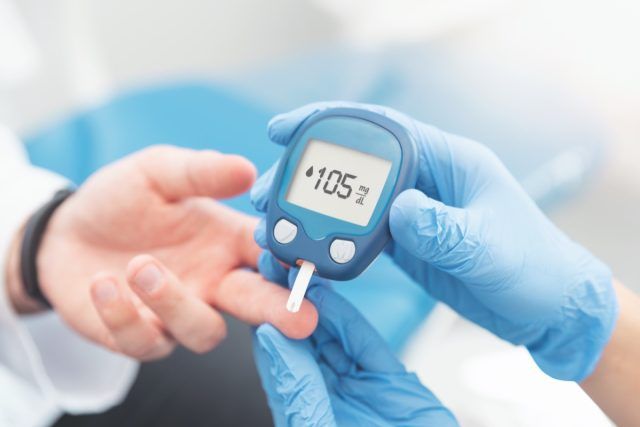
Hyperglycemia, commonly known as high blood sugar, occurs when the body cannot effectively use insulin or does not produce enough of it. It is most often associated with diabetes, but it can also appear temporarily during stress, illness, or as a side effect of certain medications. Because prolonged high blood sugar can lead to serious health complications, medical management and regular monitoring are essential. Alongside prescribed treatment, natural lifestyle practices can help support stable glucose levels and overall well-being.
Balancing Blood Sugar Through Diet
Food choices play a major role in glucose control. A balanced diet helps slow sugar absorption and supports steady insulin response. Meals rich in fiber from oats, beans, lentils, vegetables, flaxseeds, and whole grains help prevent rapid sugar spikes. Refined carbohydrates, sugary snacks, soft drinks, and pastries should be limited. Eating smaller, frequent meals throughout the day helps maintain steady blood sugar levels. Including protein-rich foods such as eggs, lean meats, tofu, and legumes further stabilizes glucose response.
Bitter Melon
Bitter melon contains natural compounds that mimic insulin and encourage cells to absorb glucose more efficiently. Fresh bitter melon can be juiced after removing the seeds and consumed on an empty stomach in the morning. Capsules and powdered forms are also available in health stores, with dosage followed as directed on product labels.
Cinnamon
Cinnamon is known to improve insulin sensitivity and help lower fasting blood sugar levels. Adding half to one teaspoon of cinnamon powder to warm water, tea, smoothies, oatmeal, or fruit is an easy daily habit. Ceylon cinnamon is preferred for long-term use, as other varieties may affect the liver when consumed excessively.
Fenugreek Seeds
Fenugreek seeds are rich in soluble fiber that slows carbohydrate digestion and improves glucose control. Soaking one tablespoon of the seeds overnight and consuming both the water and softened seeds in the morning is a traditional method for supporting blood sugar balance.
Aloe Vera Juice
Aloe vera contains natural plant compounds that may improve glucose metabolism. Mixing food-grade aloe vera gel into warm water and drinking it before breakfast can be beneficial. Only edible, decolorized aloe vera gel should be used to avoid digestive discomfort.
Regular Physical Activity
Exercise helps the body use insulin more effectively and burns excess glucose for energy. At least 30 minutes of moderate activity such as brisk walking, cycling, or swimming daily supports healthy blood sugar control. Strength training a few times a week further improves insulin sensitivity.
Staying Hydrated
Adequate water intake helps flush excess glucose from the bloodstream and prevents dehydration. Drinking 8–10 glasses of water daily is recommended, while sugary drinks, sodas, and packaged fruit juices should be avoided.
Apple Cider Vinegar
Apple cider vinegar may reduce blood sugar spikes after meals by slowing carbohydrate digestion. Mixing one tablespoon of raw, unfiltered apple cider vinegar in warm water and drinking it before meals once or twice daily is a common practice. It must always be diluted to protect the teeth and stomach lining.
Managing Stress and Rest
Stress hormones such as cortisol can raise blood sugar levels. Relaxation techniques like deep breathing, meditation, gentle stretching, and yoga help maintain hormonal balance. Quality sleep of seven to eight hours nightly also supports healthy metabolism.
Important Reminder
Natural practices can help support blood sugar control, but they do not replace medical treatment. Blood glucose should be monitored regularly, and any dietary or supplement changes should be discussed with a healthcare provider, especially for individuals using insulin or diabetes medications.
With proper medical care, mindful nutrition, physical activity, and stress management, it is possible to maintain healthier blood sugar levels and protect long-term well-being.